
Why counting carbs feels hard at first
When you start counting carbs, nothing is obvious yet. You haven't built a mental library of foods, so every meal means looking something up, and the numbers keep surprising you. Foods that look harmless turn out to be carb-heavy, and foods that seem indulgent are sometimes lighter than expected.
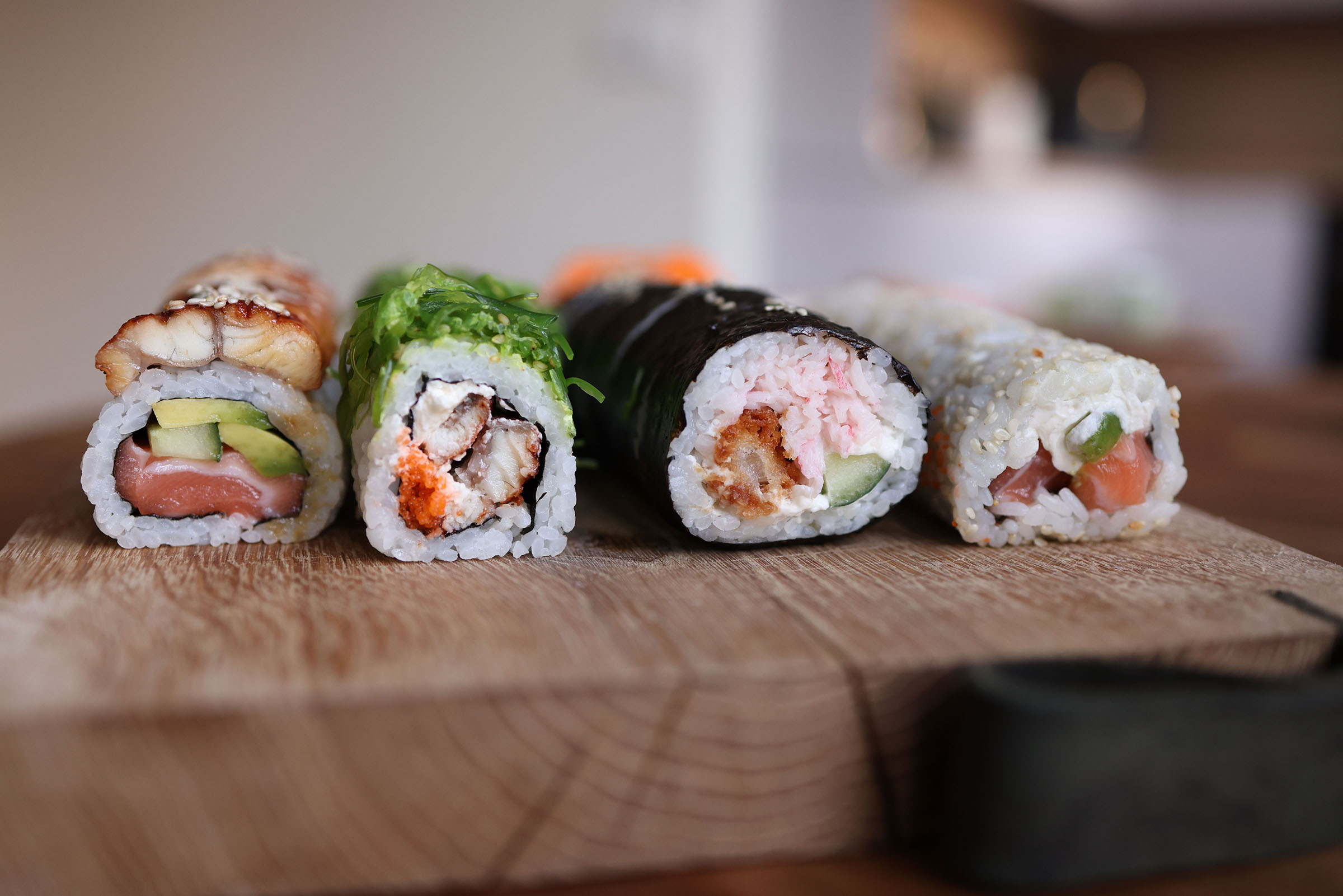
Take sushi. It looks like the lightest choice on the menu: some fish, a little rice, a sheet of seaweed. Yet a single takeaway roll can hold 40 to 60 grams of carbs, because the rice is densely packed and seasoned with sugar. For comparison, a Boston cream donut, custard filling, chocolate glaze and all, comes in around 39 grams. A "light" sushi lunch of two rolls can out-carb that donut twice over.
That's the real trap of carb counting: the shock isn't that treats have carbs, it's that foods dressed up as light often have more. Fruit smoothies, granola, flavored yogurt, dried fruit, and even ketchup are repeat offenders.
The good news: the surprises stop. Most people eat the same 20 to 30 foods week to week, so after a few weeks of honest counting, you'll know most of your numbers by heart.
Not all carbs act the same: fast vs. slow
Counting grams is only half the picture. Two foods with identical carb counts can be digested at very different speeds, and that changes how long they keep you going.
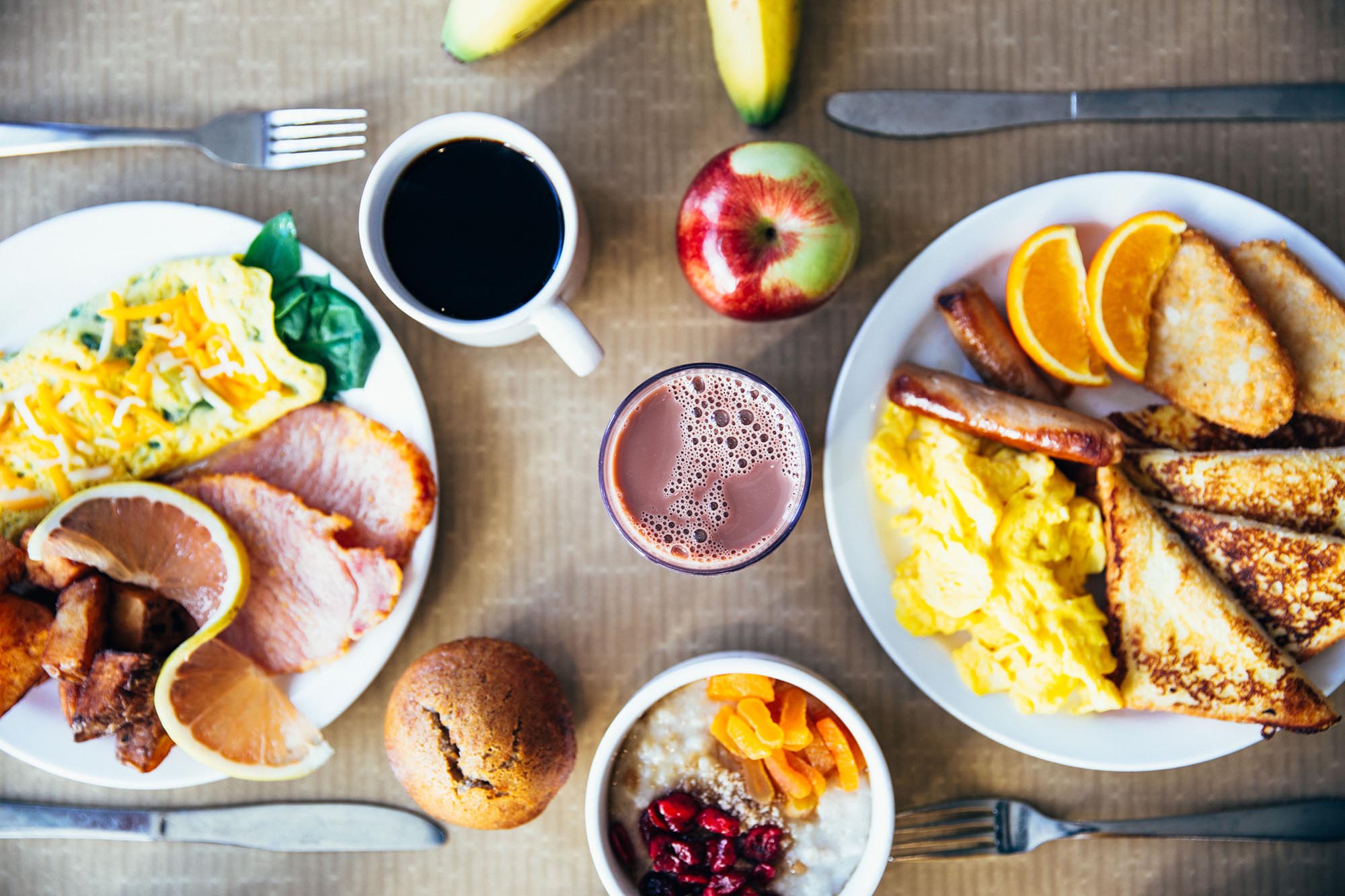
A can of soda holds about the same 38 grams of carbs as that Boston cream donut, but it's pure sugar in liquid form, with no fiber, fat, or protein to slow it down, so it is digested and absorbed almost immediately. Many people notice that fast carbs leave them hungry again sooner. Slower carbs like oats, lentils, beans, most pasta, and dense rye bread release their energy more slowly and tend to keep you fuller for longer.
The number that captures this is the glycemic index (GI): a 0 to 100 scale ranking how quickly a carbohydrate-containing food raises blood sugar. Low-GI foods (55 or less) are absorbed slowly, high-GI foods (70 or more) quickly. One caution: looks deceive. White bread has a higher GI than table sugar, around 71 against 61, because its starch is broken down very fast. Dense rye breads like pumpernickel sit much lower, around 49.
| Glycemic index | Speed | Typical foods |
|---|---|---|
| High (70+) | Fast | White bread, white rice, cornflakes, pretzels |
| Medium (56 to 69) | Moderate | Table sugar, basmati rice, couscous, overripe bananas |
| Low (55 or less) | Slow | Oats, lentils, chickpeas, most pasta, apples, milk |
Source: University of Sydney Glycemic Index Database (glycemicindex.com). Glucose = 100. Each value is one published test of a common form of the food; GI values vary by variety, ripeness and preparation.
How to count carbs, step by step
1.Start with the nutrition label
On packaged foods, find the Total Carbohydrate line. The trap is the serving size: the label might say 20 grams per serving, but if the bag holds two and a half servings and you eat the bag, you ate 50 grams. Always multiply by what you actually eat.
2.Learn reference portions for unlabeled food
Fruit, potatoes, rice, and restaurant meals don't come with labels. Weigh your usual portions with a kitchen scale for the first couple of weeks and look them up in a nutrition database. It trains your eye fast. Handy anchors: a slice of bread is about 12 to 15 grams of carbs, a medium apple 20 to 25 grams, a cup of cooked rice roughly 45 grams.
3.Use tools instead of willpower
Looking everything up by hand is why most people quit. A carb counter app does the memorizing for you: scan a barcode to look up a packaged food's carbs per 100 g, or estimate a mixed meal from a photo when there's no label to read.
4.Be consistent, not perfect
A carb count is always an estimate. Recipes, ripeness, and preparation all shift the numbers. Aim to count every meal the same way rather than to be exactly right once. Consistency is what makes your numbers comparable over time, and what turns counting from a chore into a habit.